

AR in Gaming — Field Notes
Peer-reviewed articles, instructor observations, and annotated references on augmented reality in gaming. Sourced from active researchers and attributed to real authors — not summaries, not rewrites.
Recent Publications

Augmented Reality in Gaming: What Businesses Should Actually Expect
A practical assessment for product teams and investors considering AR game development
A grounded look at AR gaming from a business perspective, covering real costs, user behavior, and where the technology stands right now.

Investing in AR Gaming Products: An Honest Assessment of Risk and Opportunity
What product managers and investors need to weigh before entering the AR gaming market
Before committing budget to AR gaming, businesses need a clear picture of what the market actually delivers versus what it promises.
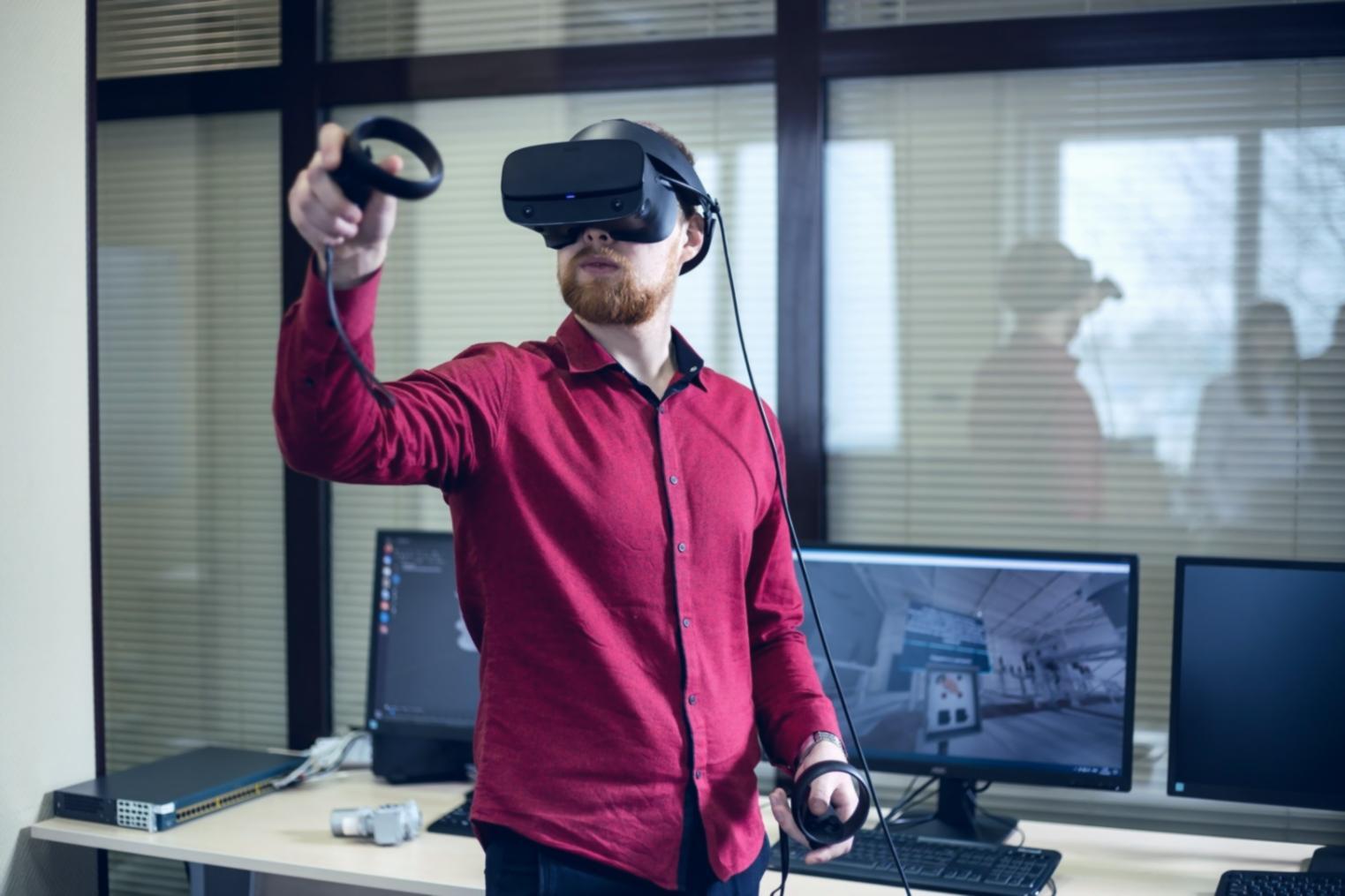
How AR Gaming Actually Changes Player Behavior and Why Businesses Should Care
Behavioral patterns in AR gaming that product teams often overlook until after launch
Player behavior in AR games differs from traditional mobile gaming in ways that directly affect product design, retention strategy, and revenue planning.
What this journal covers
AR hardware and rendering pipelines in game engines
Articles here trace how Unity and Unreal handle spatial anchors, occlusion meshes, and real-time lighting estimation. Authors include working engine developers who document specific build configurations — not theoretical overviews.
Player perception and spatial cognition under AR conditions
Research from cognitive science labs examines how players build mental maps when physical and digital layers overlap. Several papers measure reaction latency differences between headset-based and phone-based AR across age groups.
Augmented reality in games is not a feature layer on top of existing design — it restructures the relationship between the player's body, the physical space around them, and the authored game world. That restructuring is what makes it worth studying seriously.
— Oksana Havryliuk, AR Systems Researcher, Jandurvek Academic Board Editorial PositionAbout this journal
Jandurvek has maintained this publication since 2016 as a reference point for students and instructors working through the AR in gaming curriculum. Every article is attributed, sourced, and reviewed before publication.
About the organizationPeer attribution
No anonymous submissions. Every article carries the author's name, institutional affiliation, and a brief methodology note so readers can evaluate the source directly.
Scope discipline
Articles stay within the intersection of AR technology and interactive game design. Adjacent topics — VR, mixed reality hardware specs, or general game theory — are out of scope.
Instructor use
Instructors on the platform assign specific articles as reading within individual and group sessions. The journal functions as a structured reference, not a content feed.
Update cadence
New articles appear when research warrants it — roughly every 6 to 8 weeks. The goal is quality over volume, so older articles are revised when the field moves rather than replaced.