Jandurvek
Jandurvek AR Gaming Education

Jandurvek / Services

Where augmented reality meets structured learning

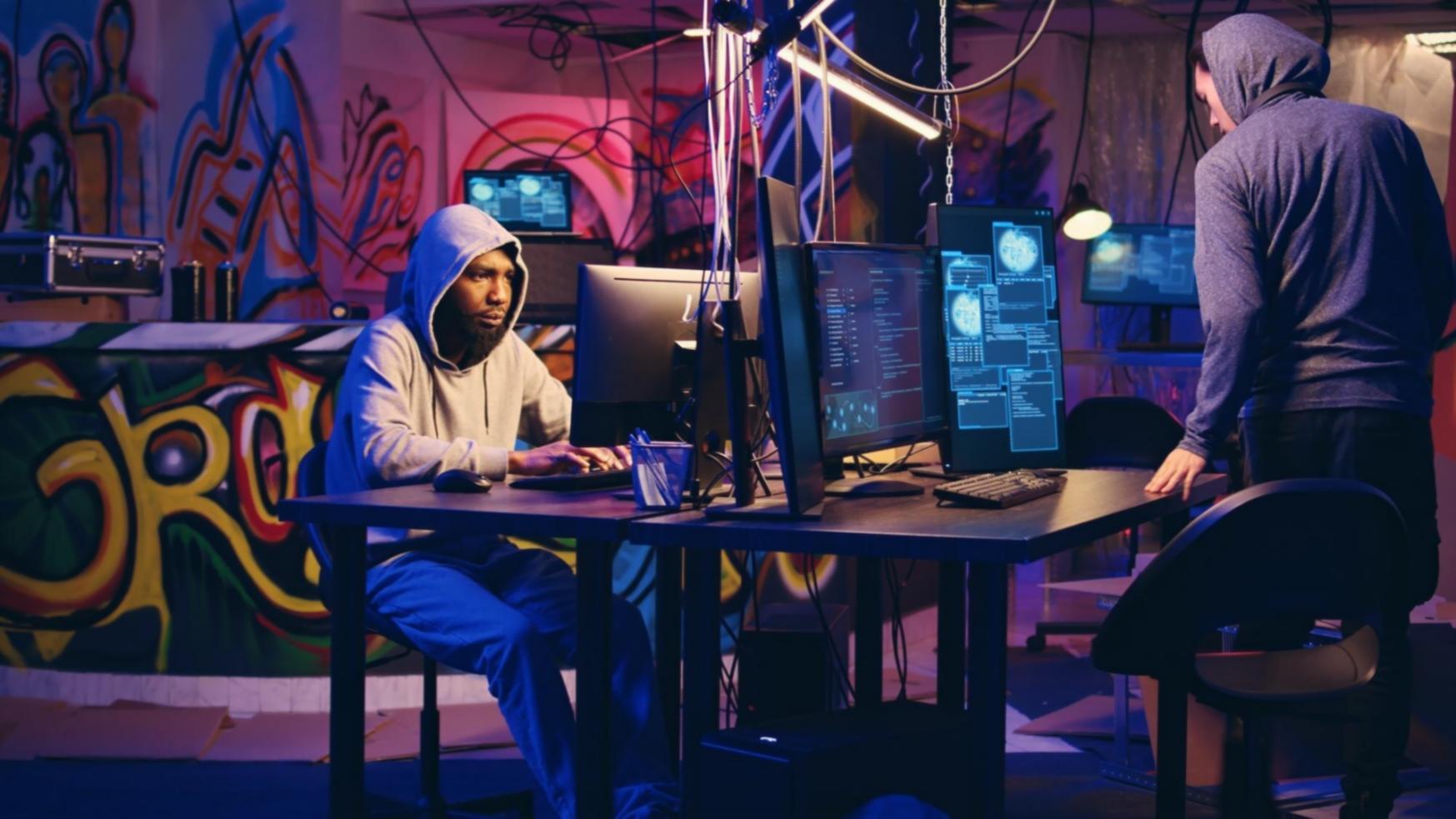
AR gaming development session in progress

Learning paths for AR gaming — from spatial basics to shipped experiences

Jandurvek offers structured online sessions on augmented reality in gaming — covering ARCore, ARKit, WebXR, and real-time interaction design. Sessions run as group cohorts or one-on-one, and the format is chosen based on how you learn, not on what's easiest to schedule.

4 learning tracks
103 rated sessions
4.2 avg. rating
What we offer

Three ways to engage with AR game development

Group Cohort Sessions

Live sessions with 4–12 participants working through shared AR project challenges. Cohorts run on fixed schedules with a shared codebase and weekly instructor reviews.

  • ARCore and ARKit fundamentals
  • Shared project environment
  • Peer code review sessions
  • Weekly instructor feedback
See program details

Individual Lessons

One-on-one sessions scheduled around your calendar. Instructors adapt the pace and topic selection to where you are — no fixed syllabus, no waiting for others to catch up.

  • Flexible scheduling
  • Custom topic selection
  • Direct screen-share debugging
  • Session recordings provided
See program details

Adaptive Learning Paths

Structured sequences that adjust based on your progress assessments. The path covers spatial anchors, physics interactions, and deployment — reordering topics based on what needs attention.

  • Progress-based topic ordering
  • Milestone assessments
  • Platform-specific tracks
  • Portfolio project included
See program details

AR gaming skills — structured by priority

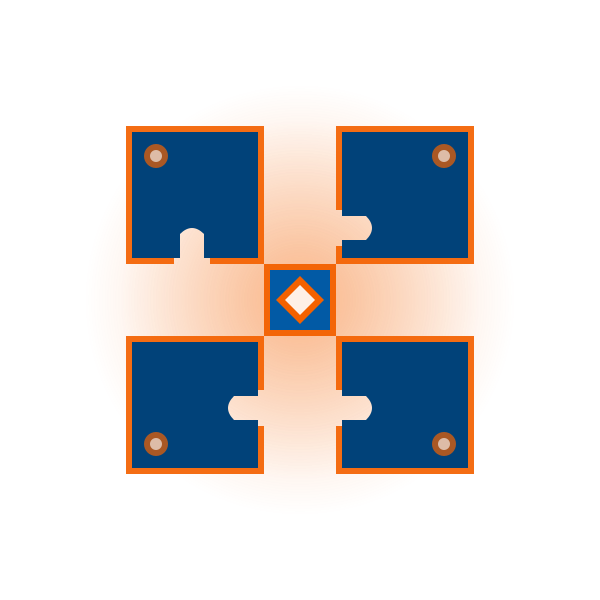
Spatial computing in games involves distinct skill clusters that don't all need to be learned at the same pace. Some — like plane detection and anchor management — are prerequisites for almost everything else. Others, like multi-user AR networking, only become relevant once you have a working single-player experience.

Sessions at Jandurvek are sequenced around this reality. Instructors identify where you are within the skill map during the first session and adjust accordingly — not every learner needs the same starting point.

The matrix below reflects how skills are prioritized in the curriculum: by urgency and by dependency on other concepts. It shapes how session time is allocated across the program.
What is the difference between group and individual sessions?

Group sessions run with 4–12 participants and are structured around shared AR project challenges. Individual sessions are scheduled around your pace and let you focus on specific skills — spatial mapping, shader work, or platform-specific deployment — without waiting for the group.

Do I need prior game development experience?

No prior game development experience is required for the introductory path. Familiarity with a scripting language helps, but the program begins with foundational AR concepts and gradually introduces Unity or Unreal workflows.

Which AR platforms does the curriculum cover?

Sessions cover ARCore for Android, ARKit for iOS, and WebXR for browser-based experiences. Advanced tracks include Vuforia marker tracking and Niantic Lightship for location-based game mechanics.

How are live sessions conducted?

All sessions are live and synchronous via a dedicated virtual classroom. Instructors share their development environment in real time, and participants can ask questions, share their own screens, and review code together.